
is programming computer science

Have you ever wondered if programming is the same as computer science? This question often arises among budding developers and tech enthusiasts. Let's dive deep into the distinctions and overlaps between programming and computer science to clear up any confusion and help you understand how they relate.
Understanding Programming and Computer Science
Before we dissect their relationship, it's essential to understand what programming and computer science entail. Both are crucial in the tech world, but they serve different purposes.
What is Programming?
Programming is the process of creating software by writing code. It involves using various programming languages like Python, Java, or C++ to instruct a computer to perform specific tasks. Programmers, or developers, write code to solve problems, automate processes, or create applications.
Programming is akin to writing a detailed recipe for a computer, specifying step-by-step instructions for completing tasks. It focuses heavily on practical implementation and problem-solving using code.
What is Computer Science?
Computer science, on the other hand, is a broad field that encompasses the theoretical foundations of computing and information processing. It explores algorithms, data structures, computational theory, and the architecture of computer systems. Computer scientists study how computers work and how to improve their efficiency and capabilities.
While programming is a part of computer science, the latter also includes areas like artificial intelligence, machine learning, cybersecurity, and more. Computer science provides the principles and theories that underpin various technologies and innovations.
The Intersection of Programming and Computer Science
The relationship between programming and computer science can be likened to the relationship between writing and literature. While writing is a skill used to create literature, literature encompasses much more than just writing.
Programming as a Subset of Computer Science
Programming is a crucial component of computer science. Without the ability to write code, many concepts in computer science would remain theoretical. Programming brings these concepts to life, enabling the development of software and applications.
In academic settings, computer science students often learn programming as part of their curriculum. They gain a solid foundation in programming languages, algorithms, and software engineering, which allows them to apply theoretical knowledge practically.
Frameworks and Tools
Within the realm of programming, various frameworks and tools facilitate software development. Frameworks like React, Django, or Angular provide pre-built components and structures that simplify the coding process. They are essential for efficient programming and are often studied within computer science courses to understand their architecture and functionality.
Here's a simple example of using a framework in programming:
// A basic example using the React framework
import React from 'react';

function App() {
  return (
    <div>

    </div>
  );
}

export default App;
This code snippet demonstrates how React simplifies creating user interfaces by using components.
The Distinct Roles in the Tech Industry
Understanding the differences between programming and computer science can help clarify the distinct roles in the tech industry.
Programmers and Developers
Programmers focus on writing, testing, and maintaining code. They are involved in the practical implementation of software projects and work closely with frameworks and tools to build applications. Their primary goal is to solve specific problems through coding.
Computer Scientists and Researchers
Computer scientists may engage in programming, but they often delve into research and development. They explore new algorithms, enhance computational methods, and contribute to the advancement of technology. Their work often involves theoretical analysis and problem-solving at a fundamental level.
Why the Distinction Matters
Understanding the distinction between programming and computer science is crucial for several reasons:
1. Career Path Clarity: Knowing whether you're more interested in the practical aspects of coding or the theoretical aspects of computing can guide your education and career choices.
2. Skill Development: Each field requires different skill sets. Programming focuses on languages, frameworks, and software development, while computer science emphasizes theory, mathematics, and innovation.
3. Educational Pursuits: Choosing the right courses or degrees can hinge on understanding these differences. Those interested in programming might pursue software engineering, while those curious about computer science might explore computational theory or data science.
Common Misconceptions
There are several misconceptions regarding programming and computer science that are worth addressing:
Misconception 1: They Are Interchangeable
Many believe that programming and computer science are interchangeable, but this isn't the case. While they overlap, each has distinct objectives and applications.
Misconception 2: One is Superior
Some may argue that one is superior to the other, but both are equally important. Programming brings computer science theories to life, while computer science drives innovation and the advancement of technology.
Conclusion: Bridging the Gap Between Theory and Practice
In conclusion, while programming is an integral part of computer science, they are not synonymous. Is programming computer science? Not entirely, but they work hand in hand to drive technological progress. Understanding their relationship helps you decide which path suits your interests and career goals.
Explore more about these topics and start your journey into the tech world by visiting Future Web Developer, where you can find further resources and guides tailored to aspiring developers and computer scientists. Embrace both the art of coding and the science behind computing to unlock a future full of possibilities.
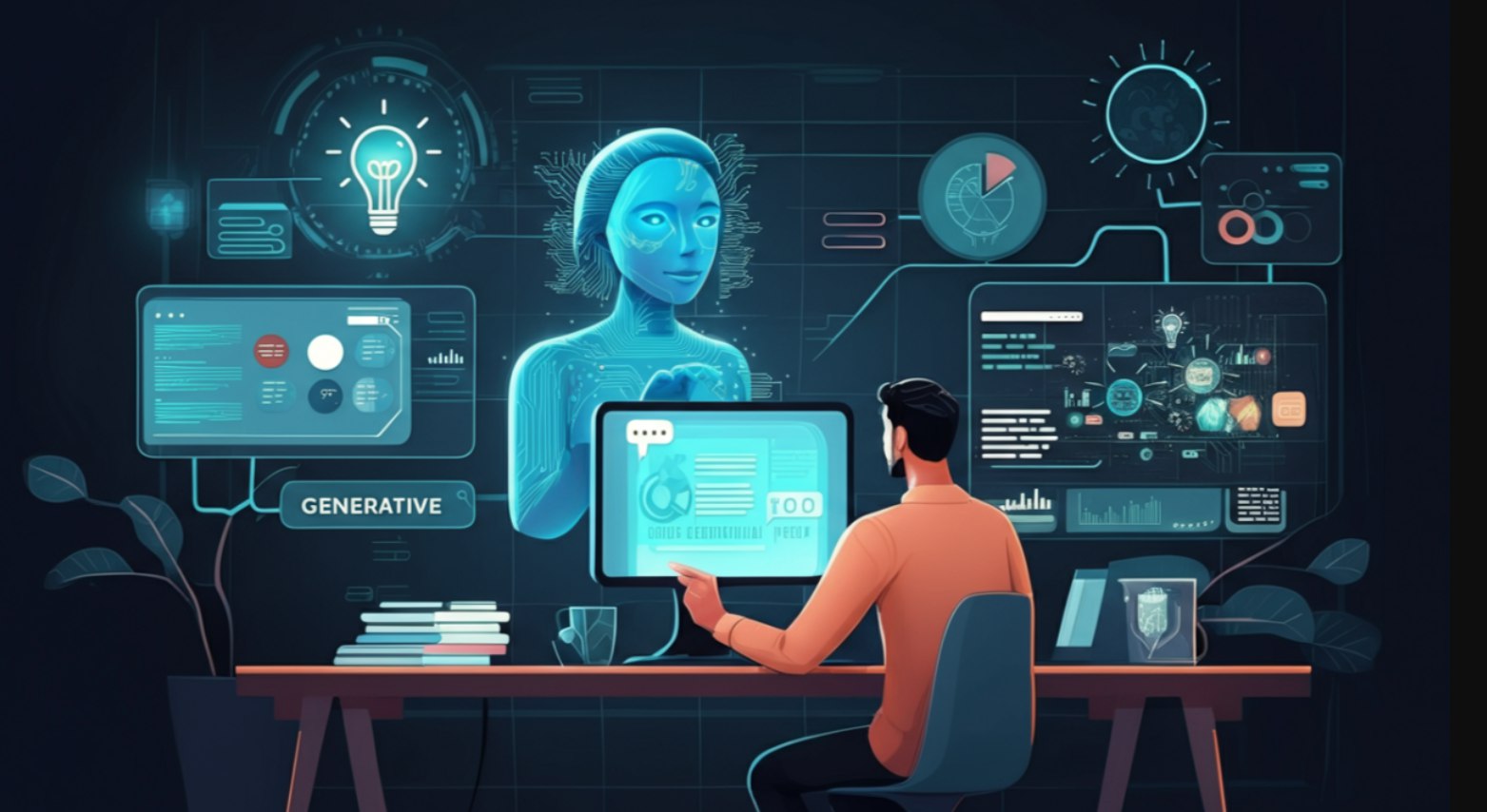
Automate the Code: GenAI's Role in Software Sprints

Developer Hosting in 2025: Why Response Headers Tell You Everything About Your Provider

What is a CUP Loan Program?
Learning And Understanding the Basics of Binary Codes
Must-Have Mobile Apps for 2025 – Essential Downloads for Android & iOS

Leave a Reply